
Get started with us, You will need a good plan !
- 166 Geary Street San Francisco, California 94108
Electric vehicles are no longer a niche option. They are becoming a practical choice for daily driving, family use, and even long-distance travel. Yet many buyers still feel uncertain about what actually powers these cars. The battery is the most important component of any EV, and understanding it helps remove much of the confusion around range, charging, and long-term value. This guide explains the types of EV batteries used today in clear, simple language, without technical overload.
When you understand how EV batteries differ, it becomes easier to compare vehicles honestly and choose one that fits your lifestyle rather than relying on marketing claims alone.
An EV battery stores electrical energy and delivers it to the motor when you drive. That sounds simple, but the chemistry inside the battery determines how the vehicle behaves in real life. Battery type influences driving range, charging speed, safety, performance in hot or cold weather, and how well the battery holds capacity over time.
Not every driver needs the same thing. Some prioritize long highway trips, while others focus on daily commuting or cost control. Knowing the types of EV batteries helps buyers understand why two electric cars with similar prices can feel very different on the road.
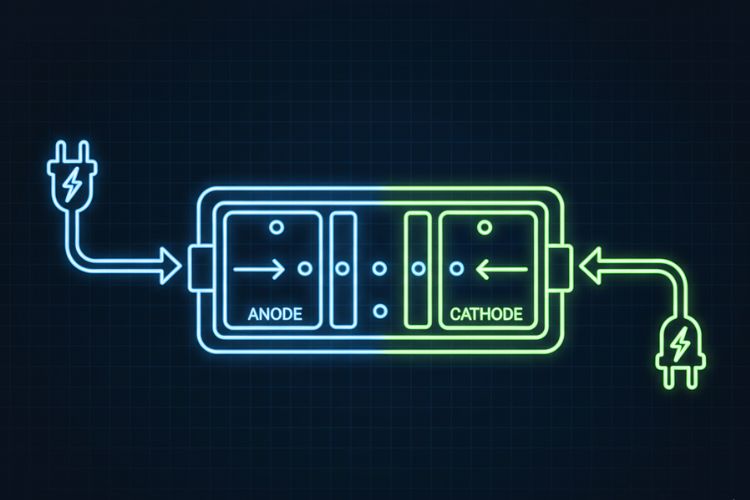
Inside an EV battery pack are hundreds or thousands of small cells grouped together. These cells store energy chemically and release it as electricity when needed. A battery management system constantly monitors temperature, charge level, and power flow to keep everything running safely and efficiently.
Unlike a traditional car battery, EV batteries are designed for deep use and frequent charging. Modern batteries for EV cars are engineered to handle years of daily driving while maintaining stable performance.
Battery chemistry directly affects how a vehicle charges and performs. Some batteries work especially well with EV Chargers, while others focus on slower, more stable charging patterns. Charging behavior is also influenced by the levels of EV charging available at home or on the road.
Automakers choose battery designs based on performance goals, cost targets, and safety standards. The types of batteries used in electric vehicles today include several lithium-based chemistries, older hybrid-focused technologies, and emerging designs still under development. Each option offers a different balance between range, durability, and affordability.
Lithium-ion batteries are the most widely used option in modern electric vehicles. They offer strong energy storage in a relatively compact and lightweight form, making them ideal for cars that need a longer driving range.
This chemistry dominates the types of electric car batteries category because it can be adjusted to meet different needs, from performance-focused models to everyday commuter vehicles.
Because lithium-ion batteries have a higher energy density, cars can go farther between charges. Additionally, they respond well to sophisticated charging systems and enable faster charging. Their reduced weight enhances handling and efficiency, particularly when traveling in cities and on highways.
These batteries are more expensive to make and can lose capacity faster if they get too hot or are charged quickly too often. Modern safety systems help protect them, but keeping them at the right temperature is key to making them last longer.
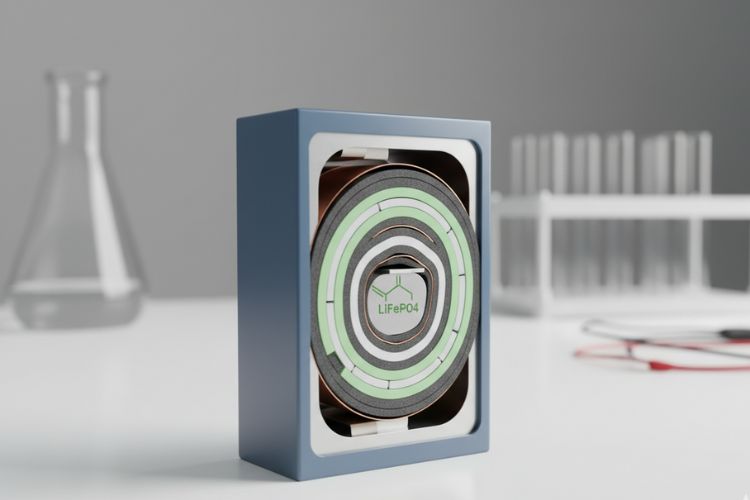
Lithium iron phosphate, commonly called LFP, is becoming more common in affordable electric vehicles and commercial fleets. This chemistry sacrifices some range in exchange for longer life and improved safety.
Manufacturers often select LFP when designing cost-effective batteries for EV cars that need consistent performance rather than maximum distance.
LFP batteries last longer and handle repeated charging cycles very well. They are more resistant to overheating and are considered one of the safest lithium-based options. Their simpler material composition also helps reduce manufacturing costs.
Shorter driving range and somewhat heavier battery packs are the results of lower energy density. This can be a noticeable restriction for drivers who frequently travel great distances.
Nickel metal hydride batteries were widely used in early hybrid vehicles and first-generation electric cars. While they are no longer common in modern EVs, they still appear in some hybrid systems.
These batteries helped shape the types of batteries used in electric vehicles we rely on today by proving that electrified drivetrains could be durable and dependable.
They are robust, reliable, and tolerant of temperature changes. Their long service history makes them a trusted technology in specific applications.
Compared to contemporary lithium-based alternatives, they are heavier and have lower energy storage capacity. They feel antiquated and inefficient for full electric use when compared to more recent designs.
Solid-state batteries replace liquid electrolytes with solid materials. This design promises higher energy storage and improved safety, but large-scale production is still limited.
Many researchers believe solid-state technology could redefine the types of electric car batteries available in the coming years, once manufacturing challenges are solved.
Longer range, quicker charging, and a lower risk of fire are all possible with solid-state batteries. Additionally, they could reduce the size of battery packs without sacrificing performance.
High production costs and durability concerns remain barriers. Most solid-state batteries are still in testing phases rather than mass-market vehicles.
Sodium-ion and lithium-sulfur batteries are being explored as alternatives that rely on more abundant materials. While promising, these technologies are not yet widely used. Their development shows how innovation continues to expand the types of ev batteries available for future electric vehicles.

Most EV batteries are designed to last many years, often well beyond the warranty period. Lithium iron phosphate typically offers a longer lifespan, while higher-energy lithium-ion packs may experience gradual capacity loss sooner. Climate, driving habits, and charging routines all play important roles. The growing range of types of EV batteries gives buyers more options to match durability with daily use.
Safety is one of the biggest concerns for anyone considering an electric vehicle, and battery technology has improved significantly over the years. Modern EV batteries are designed with multiple protection layers that monitor temperature, voltage, and charging behavior at all times. These systems work together to reduce the risk of overheating, short circuits, and thermal events, even under demanding driving conditions.
Different battery chemistries handle safety in different ways. Lithium iron phosphate batteries are widely recognized for their thermal stability and resistance to overheating, which makes them a popular choice for budget and fleet vehicles. Lithium-ion batteries, while more energy-dense, rely on advanced cooling systems, reinforced casings, and intelligent battery management software to maintain safe operation throughout their lifespan.
Choosing reliable batteries for EV cars ultimately comes down to selecting manufacturers that prioritize safety engineering, quality testing, and long-term reliability. When proper design, monitoring, and charging practices are followed, today’s EV batteries are built to operate safely for years of everyday use.
Battery production requires raw materials, but recycling systems are expanding quickly. Many valuable components can now be recovered and reused. Some newer types of batteries used in electric vehicles are designed with sustainability in mind, helping reduce long-term environmental impact.
Your driving style will determine which EV battery is best for you. Long-distance drivers require greater energy storage and quicker charging, while daily commuters might prefer robust, affordable batteries. Climate and charging practices are also important because certain batteries are more resilient to high temperatures and function well with home or smart EV chargers. Knowing the different kinds of electric car batteries enables you to select the one that best suits your needs and guarantees dependable, safe operation.
Electric vehicles continue to evolve, and battery technology evolves with them. The more you understand the types of EV batteries, the easier it becomes to choose confidently and enjoy ownership without surprises. A well-matched battery makes all the difference between simply owning an EV and truly enjoying it.
Ready to experience convenience, quality, and care for your vehicle like never before? CarComfort offers one-of-a-kind EV charging and car wash services across the United States. From fast Tesla Superchargers and DC fast charging to premium interior and exterior detailing, every service is designed with comfort, safety, and eco-friendly solutions in mind.