
Get started with us, You will need a good plan !
- 166 Geary Street San Francisco, California 94108
If you drive an electric vehicle, you’ve probably asked yourself EV home charging vs public charging, which one is the right fit for your lifestyle. Charging is no longer just a quick stop at a gas station. It becomes part of your daily routine. The choice you make affects your convenience, your costs, and how fast your car is ready to go. In this guide, you will get a clear picture of both options so you can decide what works best for you.
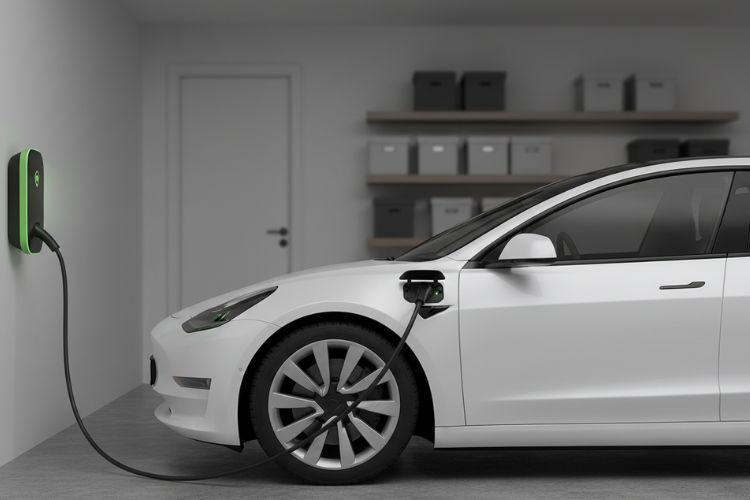
When it comes to charging your EV, it’s not just about plugging in. How, where, and when you charge affects your day-to-day life. Home charging offers comfort and control, while public stations give you flexibility when you’re on the road. Knowing what each option brings helps you choose the one that fits your driving habits.
Charging at home is usually simple. You park, plug in, and go about your day. Most people charge overnight, so your car is ready every morning. You don’t need to plan around station availability.
Home setups vary in speed. Some use a standard outlet. Others use a faster dedicated charger. These fall under different levels of EV charging, which determine how quickly your car can fill up. Even slower home chargers often give you enough range for your daily trips.
If you have space and the right wiring, installing a home charger is convenient. It works best if you park in the same place every night and want your car ready without thinking about it.
Public chargers are shared spaces you’ll find at stores, offices, parking garages, and highways. Some are made for short top-ups while you run errands. Others are fast chargers designed to get you back on the road quickly during long trips.
You rely on public charging when you can’t charge at home or when traveling longer distances. Availability depends on location and demand. Sometimes a charger is open, sometimes there’s a wait. Knowing where chargers are helps you plan your trips without stress.
Charging at home usually costs less because electricity rates are predictable. You see the cost on your regular bill, and there are no extra fees.
Public charging stations often charge more for convenience or speed. Over time, depending mostly on public chargers can increase what you spend. Using home charging as your main source can lower your overall EV charging cost while still using public stations when necessary.
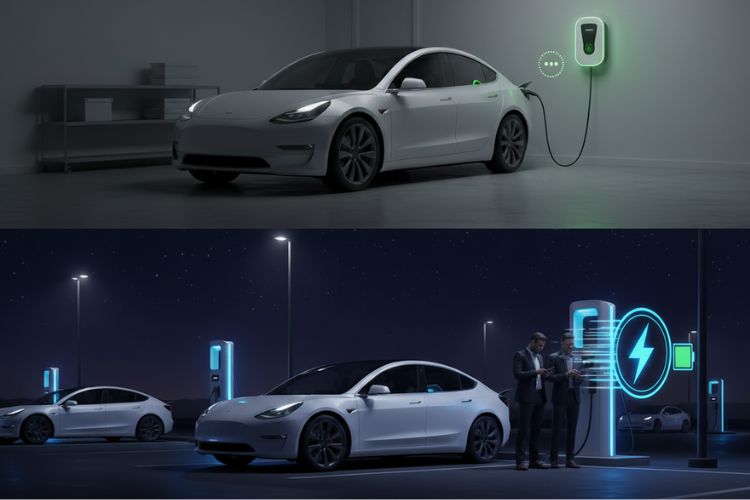
Speed is one of the biggest differences between charging at home and in public. EV charging speed home vs public varies a lot. Home chargers are slower but happen while you’re not using the car. Public fast chargers are designed to refill your battery quickly, but you have to wait nearby.
For your everyday driving, slower home charging usually works just fine. Public chargers shine when you need to keep moving, like during a long trip.
Home charging is convenient because it happens while you sleep or work. You don’t need to hunt for a station or wait in line.
Public charging requires more planning. You may need to check station availability, apps, or memberships. Convenience depends on how easy it is to reach a charger where you already go. Your lifestyle determines which option feels easiest day to day.
Home charging is dependable because it’s yours. Once installed, it’s available whenever your power is on. You don’t have to compete with anyone else.
However, public chargers can be busy or out of service. If you rely on them, it’s a good idea to know backup locations. Planning ahead keeps your trips stress-free.
Setting up a charger at home takes some planning. You may need electrical upgrades and space for installation. Costs vary depending on your home layout.
Many people use an EV smart charging station that lets you schedule charging at off peak times. This makes it easier to manage energy use and keeps your car ready without extra effort.
There are several EV charging options for homeowners. Some choose basic setups for short daily trips. Others install faster chargers for convenience and flexibility.
Your decision is based on how you drive and how your house is set up. Installation can be done in a garage or outdoors. Getting the fastest charger is not as important as matching it to your driving style. Homeowners can set up an EV charging system that suits their lifestyle rather than just the technology.
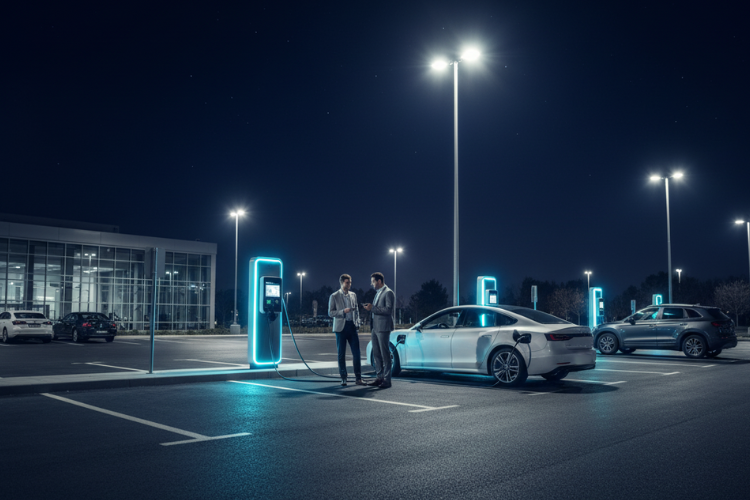
Public charging is essential if you travel long distances. Highway fast chargers keep you moving and reduce downtime. Here, EV charging speed home vs public becomes very clear.
Home chargers alone cannot support long trips efficiently. Public stations fill that gap and make traveling in an EV practical.
How you charge affects your battery over time. Slower home charging produces less heat and is gentler on your battery. Public fast charging is useful but works best when used only when needed.
Many drivers wonder is home EV charging better for keeping their battery healthy. In most cases, mixing both options helps maintain long-term performance.
Home charging works best if you have a private parking space and a predictable daily schedule. If you commute regularly, you’ll find it convenient. Many people decide is home EV charging better for the comfort and control it gives.
Long-term EV owners also benefit. A stable home setup makes it easy to develop good charging habits and avoid daily stress.
Public charging works well if you live in an apartment, a city without private parking, or travel often. It gives you flexibility when home charging isn’t possible.
For these drivers, asking is home EV charging better matters less than having access to reliable public stations. Public chargers make EV ownership practical even without a home setup.
Most EV owners use both. Home charging handles daily needs, while public chargers cover travel and backup situations.
Understanding how EV charging speed home vs public charging fits different situations helps you plan without worrying. Using both options gives you freedom and flexibility in your driving.
When comparing EV home charging vs public charging, there is no single answer for everyone. Home charging offers comfort, control, and lower long-term costs. Public charging offers speed and flexibility for travel and shared spaces.
In the end, the right choice depends on you, your lifestyle, and your driving habits. Understanding both options helps you make the decision that works best for your everyday life and your long-term EV ownership.
How long does it take to charge an EV at home?
That depends on the charger you’re using. A regular wall outlet is slow and can take a full day or more. A Level 2 charger is much faster and usually gets the job done overnight.
Is it worthwhile to install EV chargers at home?
Yes, for the majority of daily drivers. Instead of scheduling your day around charging stops, a home charger allows you to charge while you sleep, save time, and maintain predictable costs.
What is the actual difference between charging speeds at home and in public?
Home chargers operate best overnight and are slower. For travel or last-minute top-ups, public fast chargers greatly accelerate battery filling.