

How to Wash Your Car in Winter Without Damaging the Paint
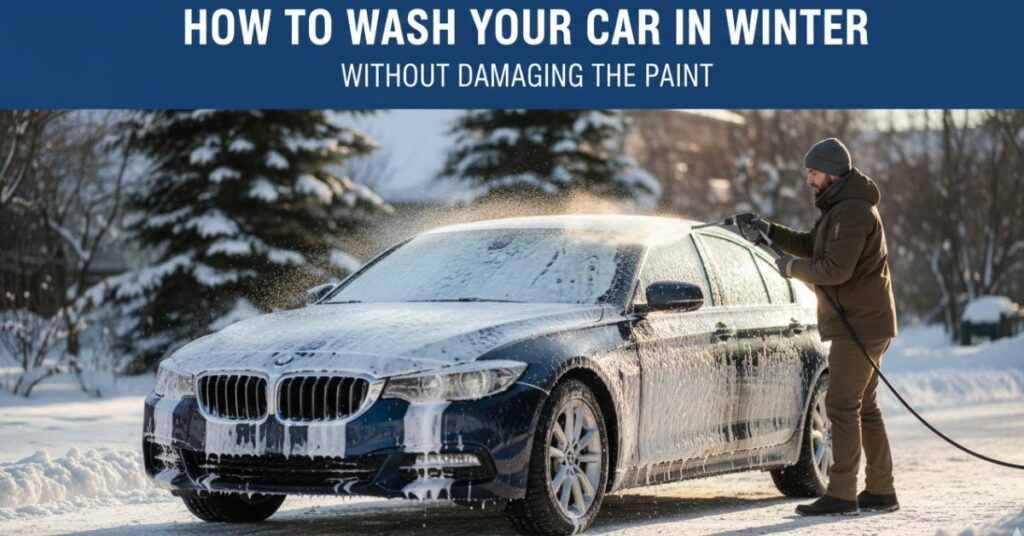
Washing car in winter might feel like extra work. Cold, ice, and snow make it inconvenient. But salt on roads, slush, and grime can damage paint and metal over time. Neglecting winter cleaning can lead to rust and scratches that are expensive to fix. Washing car in winter protects your vehicle and keeps it looking good. Knowing how to wash car in winter properly makes the process safe and effective. Why Is Washing a Car in Winter Important? You might think winter is the time to skip washing, but it is actually more important than in summer. Roads are covered in salt and sand, which stick to your paint. Snow and slush carry dirt that scratches the surface. Even small scratches can add up over time, leaving your car looking dull. Regular washing also keeps windows, mirrors, and lights clear. Dirty mirrors or headlights reduce visibility and can be dangerous in winter. Washing car in cold weather prevents corrosion, protects paint, and keeps your car safer to drive. Safety First Before You Wash Your Car Cold weather makes washing your car risky. Water can freeze on your car or driveway. Wear gloves and boots with a good grip. Avoid washing on icy surfaces if possible. If you have access to a garage or heated area, that is ideal. Check the temperature before you start. Washing when it’s above freezing is safer. Water freezes quickly in extreme cold, which can damage your paint or make surfaces slippery. Choosing the Right Place for Car Wash During Winter Where you wash your car makes a big difference. Washing outdoors in freezing weather can leave water spots or create ice patches. Heated garages or indoor areas are much better for winter car care. If you choose a touchless car wash during winter, make sure they use warm water and gentle cleaning products. Manual washing is also an option, but it takes more time and needs extra care. Washing in a driveway is fine as long as the temperature is above freezing and the surface is dry. Essential Tools and Supplies Using the right tools makes washing car in cold weather easier and safer. You don’t need many things but they should be correct. Soft mitt or sponge Two buckets with grit guards Microfiber towels for drying pH-balanced car wash soap Wheel cleaner is safe for winter grime Using eco friendly car cleaning products is a good choice. They are gentle on the paint and safer for the environment. Avoid dish soap or abrasive materials. They can strip wax and damage the paint over time. Pre-Wash Preparation Before washing, remove loose snow gently with a soft brush. Never scrape ice directly on paint. If there is thick ice, use a de-icing spray to soften it. Rinse the car lightly with lukewarm water to remove heavy salt and dirt. This reduces scratches during washing. Even if the car looks clean, a pre-rinse is important in winter because grit from salt and sand can easily scratch the paint. How to Wash Car in Winter Step by Step? Washing car in winter requires some extra care compared to summer. Follow these steps: 1. Rinse the Car Start from the top and work your way down. Lukewarm water removes loose dirt, salt, and sand. 2. Wash in Sections Clean in small sections, starting from the roof. Soap dries faster in winter, so section washing prevents streaks. 3. Two-Bucket Method Use one bucket for soap and one for rinsing the mitt. This keeps dirt out of your soap and prevents scratches. 4. Clean Wheels and Tires Separately Wheels accumulate road salt, dirt, and brake dust. Use a wheel brush and cleaner, and keep this separate from the car body soap. 5. Rinse Again Carefully Make sure all soap is gone. Any leftover soap can leave streaks or spots. 6. Drying Your Car in Winter Drying is as important as washing. Water left on the car can freeze or leave marks. Use microfiber towels or an air blower to remove water from the surface. Pay attention to mirrors, trim, door edges, and handles. Water can freeze in these areas and make doors hard to open. Drying also helps prevent the need for scrubbing ice later, which can scratch paint. Protecting Your Car After Washing After washing, protect your paint with wax or sealant. This prevents salt and grime from sticking and reduces corrosion risk. Trim and tires benefit from protectants too. Don’t forget the undercarriage. Salt collects under the car and can cause rust over time. A rinse or protective coating on the underbody can prevent serious damage. Quick Tips for How to Clean Car in Winter Sometimes a full wash is too cold or inconvenient. Quick cleaning with waterless sprays or wipes can help remove salt and grime. Removing dirt promptly prevents scratches and keeps your car looking better for longer. Ask yourself daily: Is there visible salt, slush, or dirt on my car? Even a quick wipe-down makes a difference. Small, regular maintenance helps avoid major damage. Common Mistakes to Avoid When Washing Car in Cold Weather Using hot water on a freezing car can crack the paint Dish soap or abrasive cleaners strip wax Skipping drying leaves water to freeze on surfaces Washing during extreme cold can leave ice spots Leaving snow and salt on the car too long also causes paint damage. Frequent winter washing is better than waiting until spring. Removing Water Spots From a Car Water spots are common when washing a car in winter. When water dries on a cold surface, minerals remain behind, leaving marks. Using a gentle cleaner for removing water spots from car helps prevent permanent stains and keeps the paint looking smooth. A microfiber cloth works best, and rinsing thoroughly ensures streak-free results. When to Wash Car in Winter? Many people ask when to wash car in winter. A good rule is every 2 weeks if you drive on salted or dirty roads. Wash more often after heavy snow,