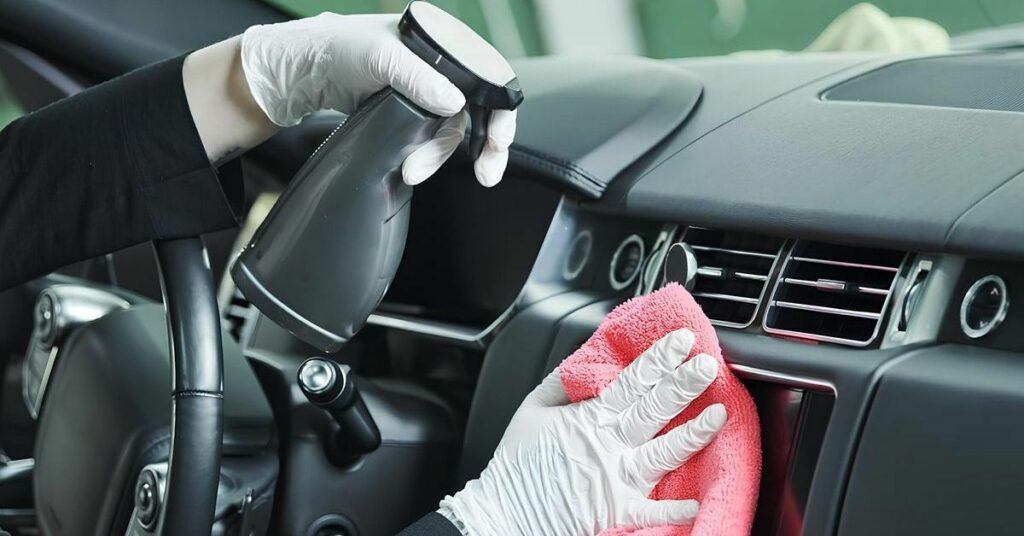
Suppose you’re passionate about keeping your ride clean while caring for the environment. You are in the right place. Eco-friendly car cleaning is no longer a trend; it’s a movement. Whether you’re in Chicago or prepping your bike for a weekend tour, switching to green cleaning habits keeps your car clean without destroying the planet. Let’s explore how to clean your vehicle deep, the eco-friendly way, so that you can have a shiny interior and a cleaner planet. Clean inside and outside, the eco-friendly way. Before the Scrub: Smart Steps for Natural Car Cleaner Success Before you’ve immersed yourself in a good, deep car interior cleaning, it’s essential to have your resources and mental state organized. By utilizing green products, maintaining clean surroundings, and knowing what to prioritize in your vehicle, you can be prepared. Sustainable cleaning begins with preparation, so let’s start with the right materials and an eco-friendly plan. Reducing waste and using fewer toxic chemicals is not only good for your health but also helps you enjoy a more sustainable, eco-friendly lifestyle. 1. What You’ll Require When using a natural car cleaner, you can ensure you are not only protecting your health but also protecting the planet. These foundational tools can help you establish a natural detailing routine, and they are often a safer option for your vehicle’s interior surfaces. Essential Supply List: Microfiber towels, plant-based spray cleaners, a soft brush, and a vacuum. Optional Tools for a Deeper Clean: Steam cleaner, UV sanitizing wand, or biodegradable upholstery shampoo. 2. Pre-Cleaning Tips When it comes to eco-friendly auto detailing, starting with a tidy, safe environment improves efficiency and reduces waste. Plus, you’ll enjoy the process more when it feels organized and intentional. Decluttering and Dusting: Remove trash, empty compartments, and wipe dust using microfiber cloths. Ventilation and Safety Practices: Work in a shaded, well-ventilated area and wear gloves for safer, eco-friendly car cleaning. Eco Warriors: Best Car Interior Cleaning Products That Actually Work Choosing the right products for your car’s interior is key. The aim is to use products that are safe, sustainable, and efficient, regardless of whether targeting fabric seats or dashboards. For surfaces and materials, the best wipes to clean the car interior should be biodegradable, non-toxic, and leave no residue. Do-it-yourself mixes can also work wonders and cost a fraction of the price of manufactured products. Pairing homemade or natural solutions with the right tools can outperform harsh cleaners and leave your vehicle looking and smelling fantastic. You’ll be surprised by how effective natural ingredients can be when used correctly. Upholstery and fabric seats: Use vinegar-based sprays or castile soap solutions for lifting grime. For deep-set stains, let the solution sit for a few minutes. Leather interiors: Olive oil and white vinegar mixtures can be used to condition and clean. This helps prevent the leather from cracking and preserves its natural sheen. Dashboards and panels: Combinations of coconut oil and lemon juice clean and gloss without the use of harmful chemicals. Best to buff by hand with a microfiber towel. Carpets and floor mats: Baking soda and essential oil sprays lift odor and embedded dirt. Let it sit for 10 minutes before vacuuming for maximum freshness. Windows and mirrors: Use a natural car cleaner with distilled water and white vinegar for streak-free results. Always clean windows last to avoid resettling dust. Thorough but Gentle: Eco-Friendly Car Cleaning Tips for Every Surface Executing a deep clean means combining the right strategies with the right tools. From following a logical cleaning order to using materials designed for sustainability, every detail counts. Thoughtful, eco-friendly auto detailing improves results and limits environmental impact while saving money in the long run. 1. Step-by-Step Interior Cleaning Guide Follow this method to maximize your results with eco-friendly car cleaning. A methodical approach prevents redundant work and keeps your car in peak shape. Top-Down Cleaning Method Start from the ceiling and work down Prevents re-contaminating cleaned areas Saves time and reduces product use Targeting Stains and High-Touch Areas Use enzyme sprays on sticky spots Focus on handles, steering wheels, and cup holders Consider the best car interior cleaning products with low toxicity 2. Tools to Maximize Eco-Cleaning Efficiency Choose innovative tools that align with your values and performance goals. Modern eco-tools can deliver excellent results without requiring excess energy or waste. Microfiber Cloths vs. Paper Towels Microfiber is reusable, more effective, and eco-conscious Traps more dust without chemical assistance Reduces landfill waste compared to disposables Steam Cleaners and Handheld Vacuums Steam lifts dirt with zero chemicals Vacuums prevent mold by thoroughly drying surfaces Pair these with the best car interior cleaning products for top results Drive Clean Every Day: Long-Term Habits for Eco-Friendly Auto Detailing Sustainability habits can help you ultimately keep your car clean! Whether you’re doing a full car wash at home or simply a quick refresh in between rides, every step matters. The key is in being consistent. Establishing sustainable habits is not only good for the earth, but it also improves the longevity of your interior materials. Be consistent; it’s your eco-cleaning superpower. Implement these strategies to achieve long-term cleanliness and minimize environmental impact. Make green cleaning second nature with daily mindful maintenance. Quick wipe-down habits: Keep a microfiber towel in your car for easy daily dusting. Natural air fresheners: Use baking soda, dried lavender, or citrus peels in a cloth bag to create a natural air freshener. Reusable cleaning cloths: Reduce paper waste with refillable sprays and washable cloths. Eco-Friendly Car Trash Solutions: Use washable containers or compostable liners to keep your vehicle clean. Best wipes to clean the car interior: Opt for biodegradable wipes made from bamboo or plant-based fibers. Wrapping Up Being mindful about what goes into your car matters as much as what you drive. With sustainable habits, innovative tools, and gentle ingredients, your vehicle stays spotless, and your conscience is clear. Next time you clean, go green and feel great about it. Start making your ride a reflection of your values: clean,
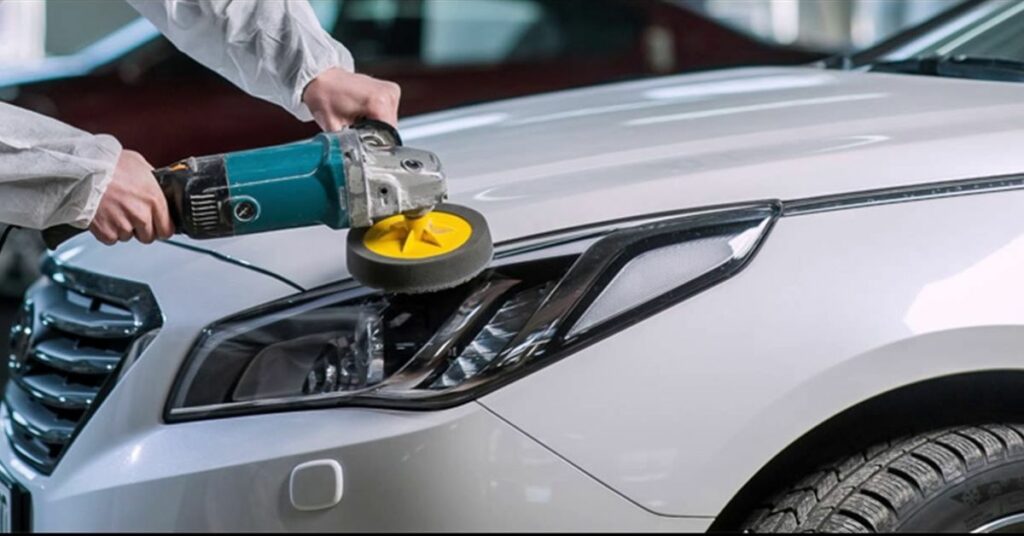
If you’re taking care of your car, then it’s not just about a shiny exterior or a dust-free dashboard. The total transformation is the solution that you can count on. White-collar interior and exterior detailing services upgrade your vehicle’s aesthetics, hygiene, and lifespan. Whether you’re maintaining a luxury ride or prepping a car for resale, detailers bring back the sparkle with precision and care. But for many car owners, understanding the difference between interior and exterior detailing can be confusing. What happens to your upholstery and your paint job? Which areas get cleaned, restored, or protected? In this blog, we break down each type of detailing and explore why both are essential for complete car care. Beyond the Wash: What Exterior Detailing Really Means Exterior car detailing goes far beyond a basic wash. It involves cleaning, restoring, and finishing the outer surfaces of your vehicle to achieve a pristine shine. One primary focus is removing water spots on the car, which can leave unsightly marks and damage your paint over time. Exterior detailing also includes paint correction, waxing, sealing, and tire cleaning. The goal of exterior detailing is to protect your car from the elements while giving it a polished finish that lasts longer than any automated wash can achieve. A gleaming exterior sets the first impression, and thorough detailing helps you keep it protected from UV rays, acid rain, and pollutants, which include: Hand washing and drying Clay bar treatment Paint polishing and sealing Wheel and tire shine services The ultimate care with interior and exterior detailing that restores your car’s beauty, comfort, and shine, inside and out! The Inside Tale: Interior Car Detailing That Makes a Difference Interior car detailing focuses on the cabin, the part with which you interact the most. It’s about refreshing every material inside your vehicle, from leather seats to plastic trims. One of the core benefits of interior and exterior car detailing is that it improves both comfort and air quality. Interior detailing is a game-changer for anyone who spends long hours behind the wheel. Besides comfort, detailing restores that new-car feel while eliminating odours and stains. Understanding the real difference between interior and exterior detailing is essential for maintaining your vehicle effectively, as interior detailing includes: Vacuuming carpets and floor mats Shampooing upholstery and headliners Leather conditioning and dashboard polish Window and mirror cleaning from the inside Keep your console dust-free and windows crystal clear for better focus, safer driving, and a more enjoyable ride! Care Secrets: Difference Between Interior and Exterior Detailing The difference between interior and exterior care lies in both the area of focus and the result. Interior detailing encompasses the proper cleaning and conditioning of the cabin’s interior, whereas exterior detailing concentrates on maintaining and repairing the vehicle’s external appearance. Both of them use different tools, materials, and techniques to enhance various parts of your car. Understanding the benefits of interior and exterior car detailing, as well as what each service offers, can help you choose the right detailing package for your needs and keep your car in top shape year-round. Here are the key differences: Cabin vs. Bodywork: Interior deals with cabin surfaces, while exterior handles body and wheels Air Quality vs. Curb Appeal: Interior improves air quality; exterior enhances curb appeal Odours & Stains vs. Grime & Tar: Interior removes odours and stains; exterior removes grime and tar Upholstery Protection vs. Paint Shielding: Interior protects upholstery; exterior shields paint Vacuum vs. Clay Bar: Interior detailing involves vacuuming and shampooing; exterior uses clay bars and waxes Comfort vs. Protection: The interior is comfort-focused; the exterior is protection-focused Indoor vs. Outdoor Setup: The interior is done in an enclosed space; the exterior requires an open, ventilated space Driver Experience vs. Vehicle Value: Interior enhances driving experience; exterior boosts vehicle value Deeper Car Care: Benefits of Interior and Exterior Car Detailing When done together, complete car detailing, including both the interior and exterior, ensures your vehicle stays protected, stylish, and functional. It’s a wise investment whether you’re extending your car’s lifespan or planning to sell it. Professional detailing isn’t just about aesthetics; it’s about complete car detailing, interior, and exterior. That adds real value to your vehicle. Beyond making your car look good, it reduces wear and tear, preventing long-term damage. Preserves resale value: Regular detailing keeps your car looking newer, helping you get top dollar when it’s time to sell. Enhances driver comfort and hygiene: A clean, fresh interior makes every drive more comfortable and reduces exposure to germs. Protects paint and interior materials: Detailing adds protective layers that guard against sun damage, stains, and everyday wear. Improves road safety through enhanced visibility: Crystal-clear windows and mirrors provide better visibility, thereby reducing driving risks. Eliminates allergen and bacterial buildup: Deep cleaning removes dust and mold that can affect your health. Saves money on future repairs: Preventive care through detailing helps avoid costly fixes down the road. Breaking Down Bill: Interior Detailing vs Exterior Detailing Cost When comparing costs, both types of detailing vary based on the size, condition, and location of your vehicle. However, with mobile car detailing services, the price of complete detailing is often far more cost-effective than scheduling separate interior and exterior services. Interior Detailing Cost Includes Carpet and upholstery shampooing Dashboard and console polishing Leather conditioning and treatment Glass cleaning and defogging Scent and odor removal Stain prevention coating Exterior Detailing Cost Includes Hand wash and dry Bug and tar removal Waxing and paint sealing Wheel and tire restoration Trim and headlight polishing Ceramic coating options Combined Packages Some detailers offer packages that include complete car detailing, interior, and exterior services at discounted rates. These combined services ensure that every component of your car feels and looks brand new while maximizing efficiency. Bottom Line Understanding the interior detailing vs exterior detailing cost, benefits, and differences empowers you to take better care of your vehicle. Whether it’s maintaining cleanliness or preventing severe damage, professional detailing is the easiest way to give your car the
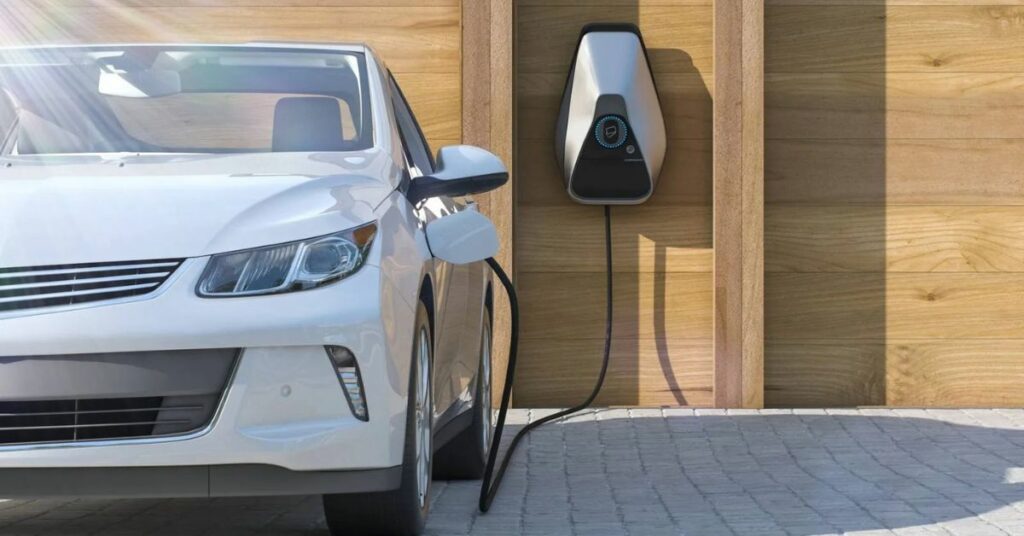
As electric vehicles take over more driveways in the U.S., it’s easy to assume they’re maintenance-free. However, while EVs remove the need for oil changes, spark plug replacements, and muffler repairs, they still require regular upkeep. Understanding the basics of electric car maintenance helps owners maximise performance, range, and long-term value while avoiding unnecessary surprises. First-time EV owners often wonder what the experience is like compared to driving a gas-powered car. The answer is impeller, but not effortless. From battery care and tire pressure to routine checks and brake service, maintenance on electric cars involves fewer moving parts. However, it’s still essential for ensuring a smooth ride and long-term reliability. Stay Road-Ready: What Maintenance Does an Electric Car Need? Electric vehicles are low-maintenance by nature, but they’re not maintenance-free. Tire rotation, battery checks, brake fluid replacements, and cabin air filter replacements are among their offerings. Your ownership routine may also be impacted by the cost to charge electric car, which varies based on the type of station and local electricity rates. While combustion engine cars require frequent oil changes and tune-ups, electric car maintenance focuses more on preserving battery health, monitoring software updates, and maintaining cooling systems. With fewer parts to fail, you’ll visit service stations less often, but regular checks are still vital. Fully Charged: Everything An EV Owner Should Know EV ownership comes with perks and responsibilities. Maximizing your electric driving experience while avoiding problems requires an understanding of the subtleties of maintenance, which includes. 1. Regular Brake Checks Although regenerative braking reduces wear, regular maintenance on electric cars should still include checking brake pads, rotors, and fluid levels to ensure road safety. Brake system performance can impact your safety and the efficiency of the regenerative system over time. Make sure to; Inspect brake pads: Check brake pads each year to ensure safe stopping power and prevent wear-related issues. Change brake fluid: Replace brake fluid biennially to maintain braking efficiency and prevent system corrosion. 2. Battery Health Affects Range Batteries are the lifeblood of an EV. Keeping them within optimal charge levels extends life and performance. Poor charging habits and excessive temperatures can compromise your battery’s lifespan and range capacity. Charging smartly and being aware of how electric car maintenance helps deliver the best performance. Make sure to; Battery health: Maintain battery health by charging within the optimal 20% to 80% range. Avoid fast charging: Limit fast charging to reduce battery wear and extend its lifespan. 3. Coolant System Inspections Modern EVs use liquid cooling to regulate battery and power electronics. This makes electric vehicle servicing essential every 30,000 miles as recommended by your vehicle’s owner’s manual. The cooling system prevents overheating during high-performance driving or extended periods of use. Make sure to; Inspect the coolant level: Check coolant levels often to prevent engine overheating and ensure proper cooling. Flush and replace coolant: Follow the manufacturer’s schedule to flush and replace coolant for optimal engine performance. 4. Tire Wear Happens Faster EVs are heavier and deliver instant torque, which leads to quicker tire degradation. Follow an EV maintenance checklist to stay ahead of tire care. Tires are the only point of contact with the road, making their condition crucial for handling and range efficiency. Neglecting pressure checks can lead to uneven wear and even safety hazards. Make sure to; Rotate tires: Regular tire rotation promotes even wear and extends tire life. Maintain recommended PSI: Keep tires inflated to the recommended pressure for safety, efficiency, and longevity. 5. Software Updates Matter Frequent updates enhance the range, performance, and safety of an EV. Maintenance on electric cars includes staying current with firmware updates. These upgrades strengthen your EV energy efficiency, address bugs, and improve interface features. By avoiding these, you are missing out on the safety patches. Make sure to; Enable automatic updates: Keep your system secure and up to date with the latest features by enabling automatic updates. Routine system diagnostics: Run regular diagnostics to detect and resolve issues before they impact performance. 6. Cabin Air Filter Needs Replacement Filters get clogged with dust and pollutants over time. Replacing it with fresh filters improves air quality and system efficiency. Don’t forget to include replacing the cabin air filter in your EV maintenance checklist, as it will help prevent allergies, reduce unpleasant odors, and ensure better airflow through the HVAC system. Make sure to; Replace filters: Change filters regularly to maintain clean airflow and optimal system efficiency. Keep vents clear: Ensure vents are unobstructed to support proper ventilation and prevent overheating. 7. Build an EV Support Checklist Make a personalised EV maintenance checklist to ensure you never skip any part. It includes timelines and significant points for all essential services. This smart approach helps you to maintain a health vehicle, schedule timely inspections, and ensure compliance with warranty requirements. Make sure to; Use a digital log or app: Easily track maintenance with a digital log or app for improved organization and accuracy. Set reminders for each service: Schedule alerts to never miss important vehicle maintenance tasks. 8. Don’t Ignore The Auxiliary Battery In addition to the main drive battery, most EVs have a 12V battery to power lights and accessories, and forgetting this EV car maintenance step can cause unexpected failures. A dead auxiliary battery can leave you stranded, affect the locking system, or turn off remote start features. Make sure to; Test battery voltage monthly: Check the battery voltage monthly to ensure reliable starting and prevent unexpected failures. Replace every 4-5 years: Replace your battery every 4-5 years to maintain optimal performance and prevent breakdowns. 9. Know Where to Charge Whether at home or on the road, using a reliable EV charging station ensures safety and efficiency. Always look for high-quality, well-maintained stations; charging infrastructure is evolving, so staying informed helps avoid long waits. Knowing your charging options reduces range anxiety and improves overall convenience. Make sure to; Check charger compatibility: Use chargers compatible with your device to ensure safe and efficient charging. Avoid charging to 100% daily:
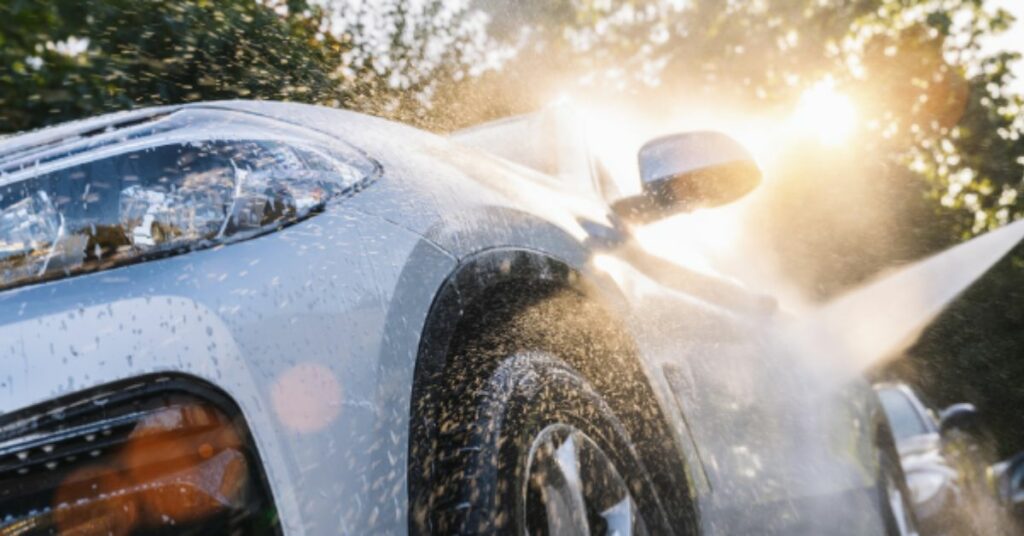
Water spots can quickly ruin the glossy finish of your car right after a wash, leaving behind stubborn mineral marks that dull your shine. If you’ve ever wondered how to remove water spots from a car, you’re not alone. These pesky spots form when hard water dries on the surface, and if not tackled quickly, they can even etch into your clear coat. If you’re tired of battling streaky finishes, it’s time to learn how to get water spots off a car the right way. Whether you’re doing weekly washes at home or visiting detailing professionals, the goal is the same: maintain a flawless look without damaging your vehicle’s paint or trim. Goodbye Stains: Tips for Removing Water Spots from a Car One of the simplest yet most overlooked methods is immediate drying post-wash. Drying right after you wash your own car prevents minerals from settling on the paint. Prevention is always better than correction, but when spots do appear, here’s how to eliminate them without causing damage. 1. Use a Vinegar and Water Mix When it comes to removing water spots from a car, a 50/50 vinegar and distilled water solution is a safe and effective starting point. Spray the solution of water with vinegar directly onto the water spots and gently wipe them with a soft microfiber towel. Tips: Use distilled water to avoid more minerals. Don’t scrub too hard; let the vinegar do the work. Always rinse after application. Use a clean and dry microfiber cloth. 2. Try a Clay Bar Kit Clay bars are a favourite among detailing pros for removing bonded contaminants. The soft, malleable material glides smoothly across paint to remove spots and residues without scratching. Tips: Lubricate the surface generously before using. Avoid reusing dirty clay. Work in small sections. Finish with a wax or sealant. 3. Commercial Water Spot Remover When regular washing doesn’t cut it, a commercial water spot remover can help tackle mineral deposits left behind by hard water. These specially formulated products are the best solution for removing water spots from a car. Tips: Follow the manufacturer’s instructions closely. Test on a small section first. Wear gloves and work in the shade. Rinse thoroughly after use. 4. Buff with a Dual-Action Polisher One of the best ways to restore your car’s clear coat if water stains have etched into it is to use a dual-action polisher. To smooth out flaws, this machine gently abrades the surface, removing fragile layers of material. Professionals frequently use it for more thorough correction. Tips Pick the best combination of pad and polish. Avoid overpolishing the same spot. After that, shield the surface. Always work on clean, dry paint. 5. Spray and Wipe with Quick Detailer Quick detailers are great for light water spots on the car after washing that appear shortly after cleaning. These products are formulated with lubricants and mild cleaners to gently lift contaminants without scratching the paint. They’re perfect for spot-cleaning between washes or quick touch-ups. Tips: Ideal for mild or fresh spots. Use a soft microfiber cloth. Reapply as needed. Great for in-between full washes. 6. Apply a Ceramic Coating Ceramic coatings are advanced paint protectants that chemically bond to the vehicle’s surface, creating a hydrophobic layer. This not only prevents water spots from sticking but also adds deep gloss and durability that lasts for months or even years. Tips: Prep the surface thoroughly. Use gloves and applicator pads. Follow cure time instructions. Maintain pH-neutral shampoos. 7. Baking Soda Paste A natural and budget-friendly solution, baking soda mixed with water forms a gentle abrasive paste ideal for removing water spots from a car, especially for glass and chrome. It’s less effective for painted surfaces, but it works well in areas where harsh cleaners could be risky. Tips: Apply in circular motions. Rinse off completely. Avoid painted areas. Dry after rinsing. 8. Distilled Water for Final Rinse Hard water is often the root cause of water spots. Switching to distilled water for your final rinse removes that risk entirely. Since it contains no minerals, there’s nothing left behind on your car’s surface as it dries, perfect for a spotless finish. Tips: Use a pressurized spray. Wipe dry immediately. Cost-effective over time. Prevents repeat spotting. 9. Maintain a Hydrophobic Layer Regularly applying wax, sealant, or a ceramic spray coating creates a slick surface that prevents water spots on the car after washing from clinging and drying into spots. These products enhance shine and make ongoing maintenance much easier by minimising buildup. Tips: Reapply monthly or as needed. Clean surface before applying. Use foam applicators. Buff to a shine. 10. Dry with a Car Dryer Instead of wiping water away with towels, risking scratches or missed spots, consider using a car dryer or blower. These tools push water out of tight spaces, such as mirrors, trim, and emblems, leaving a spotless surface without touching the paint. If you’re wondering how to get rid of water spots on a car, this touchless drying method is one of the best preventative steps. Tips: Use filtered air. Target mirrors, grills, emblems. Reduces towel swirl marks. Dry from top to bottom. Water Spots on the Car After Washing: More Than Just Cosmetic Trouble If left untreated, water spots can lead to permanent damage. Regular removal protects your paint and retains your vehicle’s value. It also complements car interior cleaning services for a fully detailed vehicle. Adding these steps helps maintain your car’s shine and reflects your attention to detail. Paint Quality: Eliminating water stains shields the clear coat and keeps the paint on your car from deteriorating over time. Resale Value: Your car’s market value increases when its exterior is immaculate, as it demonstrates better care and condition. Enhances Visual Appearance: Removing water stains gives your car a shiny, clean finish that enhances its overall appearance. Prevents Permanent Etching: Quick removal stops minerals from bonding to the surface and causing irreversible paint etching. Supports Easier Cleaning Next Time: Spot-free surfaces stay smoother, making future washes
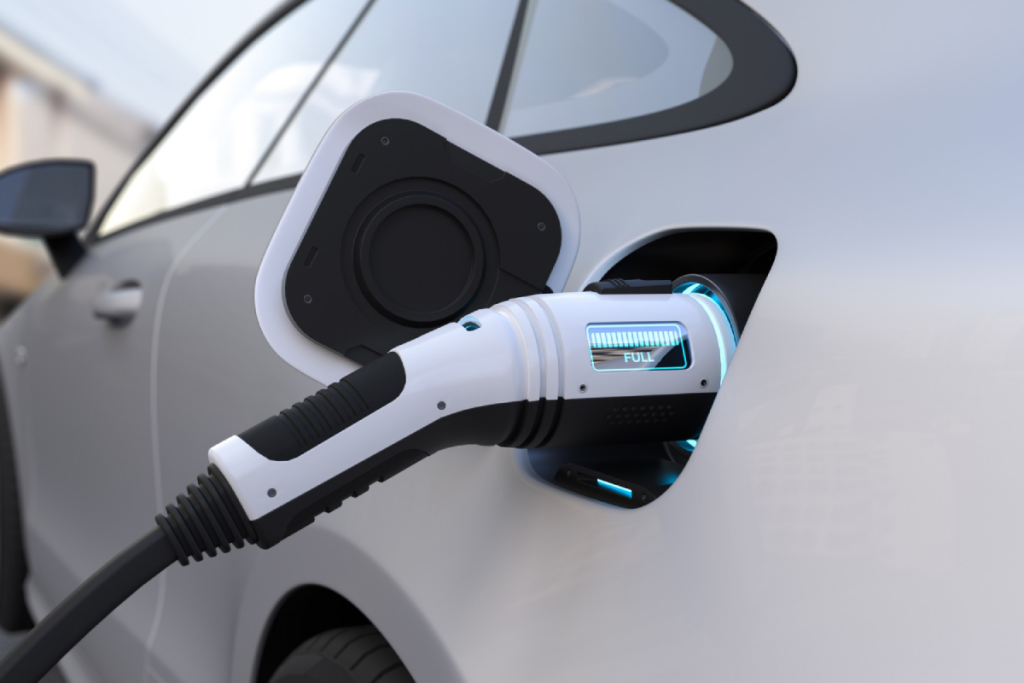
Maintaining the value of your automobile, preserving the paint, and taking pleasure in your vehicle are all reasons to wash it. But is there a better way, or should you take it to a professional wash? Washing your car at home is the best option if you want to save money and make sure every detail is immaculate. In this ultimate DIY car wash guide, we’ll walk you through how to wash a car at home, the best way to hand wash a car, and what to use to wash your car so you can get professional-level results in your driveway. Why Wash Your Own Car? Before we jump into the step-by-step guide, let’s talk about why a DIY car wash might be the best choice for you: Now, let’s get started with how to hand wash a car the right way. Step 1: Gather Your Supplies – What to Use to Wash Your Car A proper DIY car wash starts with having the right tools. Here’s what you need: Having the right supplies is the best way to hand wash a car and prevent damage to your vehicle’s finish. Step 2: Pre-Rinse Your Car Before applying soap, always rinse your car with water to remove loose dirt and debris. This reduces the chances of scratching the paint when you start scrubbing. Step 3: The Two-Bucket Wash Method – How to Hand Wash a Car Correctly Now that your car is wet, it’s time for the main event—washing! Using the two-bucket method is the safest and best way to hand wash a car because it prevents dirt from getting back onto your paint. How to wash a car at home using this method: This method ensures you aren’t scratching your paint with dirty water. Step 4: Don’t Forget the Wheels! Your wheels collect the most dirt, so they need special care. This step is crucial for a complete DIY car wash that makes your entire vehicle shine. Step 5: Rinse & Dry Properly Once you’ve scrubbed every part of your car, it’s time to rinse off the soap. Proper drying is key when washing a car at home, as it prevents streaks and spots. Step 6: Waxing & Finishing Touches (Optional but Recommended) Want that showroom shine? Applying wax after washing your car at home adds a protective layer to the paint. This step keeps your car cleaner for longer and makes future washes easier! Common Mistakes to Avoid When You Wash Your Own Car By avoiding these mistakes, you’ll get a professional-grade clean every time you wash your car at home. How Often Should You Wash Your Car? A good rule of thumb is to wash your car at home at least every two weeks. If you drive in dusty or rainy conditions, you may need to wash it more often. Final Verdict: DIY Car Wash Done Right! A DIY car wash is one of the best ways to maintain your vehicle’s appearance and save money in the long run. Now that you know how to hand wash a car properly, you can wash your own car with confidence and get pro-level results. By following this guide, you’ll have a spotless car every time you do a DIY car wash—right in your own driveway! kampungbet kotabet login kampungbet kampungbet kampungbet kampungbet kampungbet kampungbet
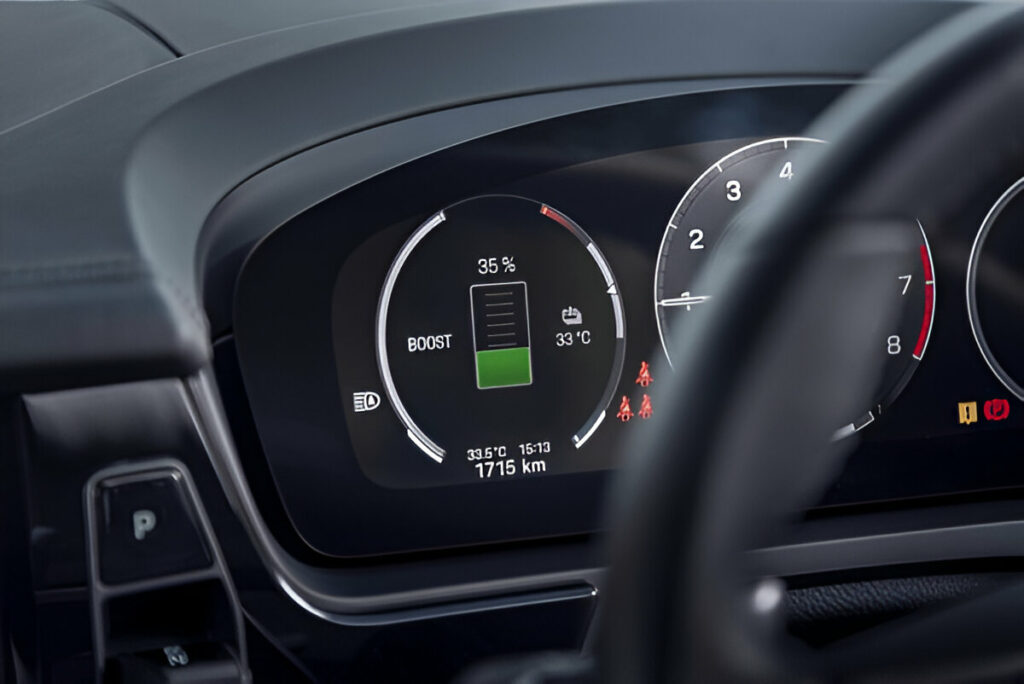
As electric vehicles (EVs) become more common, understanding the different EV charging levels is crucial for maximizing efficiency and convenience. Whether you’re an EV owner or considering making the switch, knowing the differences between Level 1 charging, Level 2 charging, and Level 3 charging will help you determine the best charging solution for your needs. This guide breaks down EV charger levels, their costs, charging speeds, and which one is best for your lifestyle. Let’s dive in! What Are EV Charging Levels? EV chargers are classified into three main categories based on their power output and charging speed: Now, let’s break down each charging level in detail. Level 1 Charging: The Slow & Steady Option What is Level 1 Charging? Level 1 charging is the most basic way to charge an electric vehicle. It uses a standard 120V household outlet, making it convenient but slow. Charging Speed Where Is It Used? Cost of Level 1 Charging Pros & Cons Pros: Cons: Is Level 1 Charging Right for You? If you don’t drive long distances and have time to let your car charge overnight, a Level 1 EV charger might be all you need. However, if you need faster charging, Level 2 is a better option. Level 2 Charging: The Best Everyday Solution What is Level 2 Charging? Level 2 charging uses a 240V power source, making it significantly faster than Level 1. It’s the most common home and public charging option for EV owners. Charging Speed Where Is It Used? Cost of Level 2 Charging Pros & Cons Pros: Cons: A Level 2 EV charger is perfect for most EV owners. It offers a great balance between speed, cost, and convenience—making it the most popular choice for home and public charging. Level 3 Charging: The Fastest Option for Road Trips What is Level 3 Charging? Level 3 charging, also known as DC Fast Charging, is the quickest way to charge an EV. It requires a high-powered charging station (typically found on highways and major roads). Charging Speed Where Is It Used? Cost of Level 3 Charging Pros & Cons Pros: Cons: A Level 3 EV charger is best for people who take frequent road trips or need quick top-ups while traveling. For everyday use, Level 2 remains the best option. Level 1 vs Level 2 vs Level 3 Charging: Key Differences Feature Level 1 Charging Level 2 Charging Level 3 Charging Voltage 120V 240V 400V+ (DC Fast Charging) Speed 3-5 miles per hour 25-30 miles per hour 100+ miles in 20-30 mins Best For Home use, PHEVs Home & public use Road trips, highway stops Installation Cost $0 (uses wall outlet) $500 – $2,000 Not available for home use Charging Cost (per kWh) Home electricity rate $0.10 – $0.30 $0.30 – $0.60 Full Charge Time 24-48 hours 4-10 hours 30-60 minutes Level 1 vs Level 2 Charging: Which One Should You Choose? If you drive short distances and don’t mind overnight charging, Level 1 charging might work for you. However, if you want faster, more reliable charging, a Level 2 EV charger is the best long-term solution. Level 2 vs Level 3 Charging: Do You Need Fast Charging? For daily home use, Level 2 charging is the best option. But if you’re frequently traveling or in need of a quick charge, Level 3 charging is the fastest solution. Final Thoughts: Choosing the Best Charging Level Understanding the EV charging levels helps you make an informed decision about which charging option is best for your needs. Whether it’s Level 1 for occasional use, Level 2 for daily charging, or Level 3 for long trips, each has its benefits. By knowing the differences between Level 1 vs Level 2 vs Level 3 charging, you can charge your EV efficiently and cost-effectively! kampungbet kotabet login kampungbet kampungbet kampungbet kampungbet kampungbet kampungbet
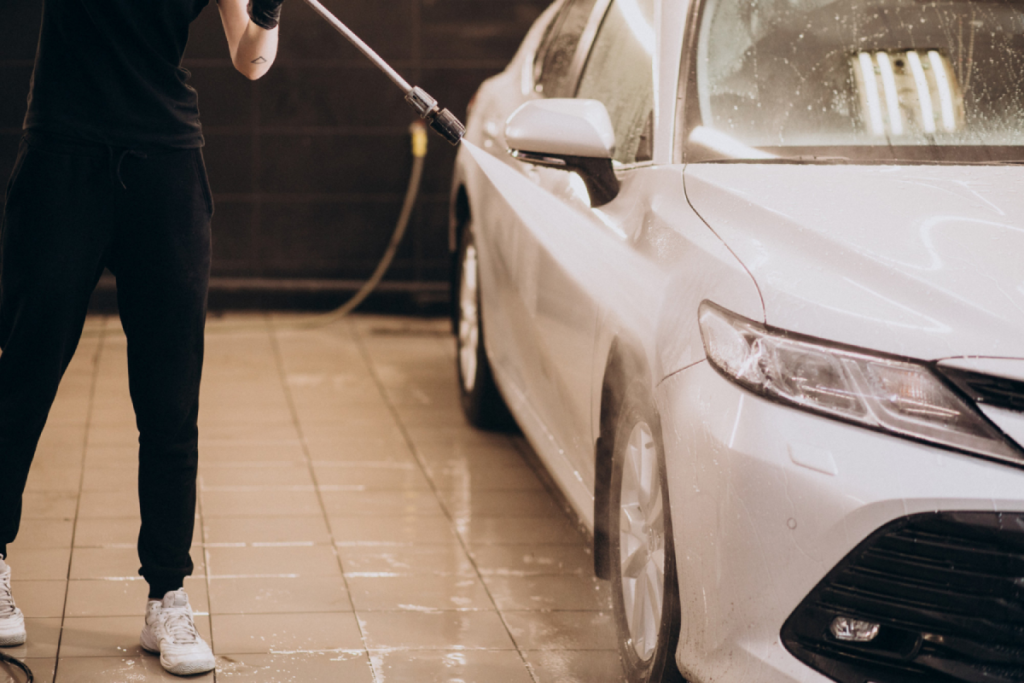
Keeping your car clean is essential—not just for aesthetics but also for preserving its value and longevity. But when it comes to washing your ride, the real debate begins: car wash vs. hand wash vs. automatic car wash—which method reigns supreme? Is it better to hand wash your car, or should you trust an automated system to do the job? Let’s break it down and help you decide the best way to keep your vehicle spotless. The Basics: Understanding the Three Car Wash Methods Before we dive into the comparison, let’s get familiar with each method: Now, let’s compare them in different aspects. Quality of Cleaning – Who Does It Best? Hand Wash (Winner) If you’re wondering, “Is it better to hand wash your car?” the answer is yes—for quality. A hand wash allows for attention to detail, ensuring no dirt or grime is left behind. Professionals or car owners can carefully clean delicate areas, rims, and crevices that machines might miss. Automatic Car Wash – Good but Not Perfect An automatic car wash vs. hand wash in terms of quality? While automated car washes are convenient, they sometimes leave behind residue or don’t effectively remove stubborn dirt. Plus, older systems with stiff brushes can even cause micro-scratches on your car’s paint. Self-Service – In Your Hands If you decide to wash your car at a self-service station, the results depend entirely on your effort and technique. If done correctly, it can match a professional hand wash in quality. Time Efficiency – Quick Clean or Time-Consuming? Automatic Car Wash (Winner) Time is money, and an automatic car wash vs. hand wash battle in this category has a clear winner. With an automated system, your car is clean in just a few minutes—perfect for busy schedules. Hand Wash – Time-Intensive Hand washing takes considerably longer—sometimes 30-60 minutes or more—especially if you’re thorough. While it’s better for quality, it’s not ideal for those in a rush. Self-Service – Moderate Time Commitment If you wash your car at a self-service car wash, you’ll spend 15-30 minutes, depending on your speed and experience. Cost – What’s Easier on Your Wallet? Self-Service/Home Wash (Winner) If saving money is your priority, washing your car at home is the cheapest option. A bucket, car soap, and a hose are all you need. Automatic Car Wash – Affordable & Convenient Automated car washes cost around $10-$20 per wash, making them a budget-friendly choice for regular cleaning. Hand Wash – The Premium Option A professional hand wash is the most expensive, often costing $30-$100, depending on the level of detailing. Paint Protection & Longevity – Keeping Your Car Safe Hand Wash (Winner) Hand washing is gentler on your car’s paint, especially if done with soft sponges and microfiber cloths. It prevents scratches and extends the lifespan of your vehicle’s exterior. Automatic Car Wash – Risky Business Older car wash systems with stiff brushes can cause micro-scratches and swirl marks, leading to long-term damage to your car’s paint. Self-Service – Depends on Your Technique Using high-pressure water incorrectly can damage the paint, so if you wash your car at home, be mindful of your technique. Eco-Friendliness – Which Method is Greener? Automatic Car Wash (Winner) Surprisingly, an automated car wash is more eco-friendly than washing your car at home. Professional car washes use water recycling systems and control wastewater disposal to prevent environmental damage. Hand Wash – Wastes More Water When you wash your car, you use significantly more water—about 100 gallons per wash! If eco-friendliness matters, a hand wash isn’t the best choice unless you use water-saving techniques. Self-Service – Moderate Water Usage Self-service stations use less water than a home wash but aren’t as efficient as automated systems. Which Car Wash Method is Best for You? Now that we’ve compared car wash vs. hand wash vs. automatic car wash, here’s a quick guide on when to choose each: Choose Hand Wash If: Choose Automatic Car Wash If: Choose Washing at Home If: Conclusion When deciding between a car wash or hand wash, or if you should wash your car, it all comes down to your priorities. If quality is important, wash your hands. In terms of speed and environmental friendliness, an automatic car wash is superior. Washing at home is your greatest option if money is your top priority. Whatever you pick, keeping your automobile clean isn’t just about looks—it’s about protecting your investment. So, pick the method that suits your lifestyle and hit the road with a spotless ride! kampungbet kotabet login kampungbet kampungbet kampungbet kampungbet kampungbet kampungbet
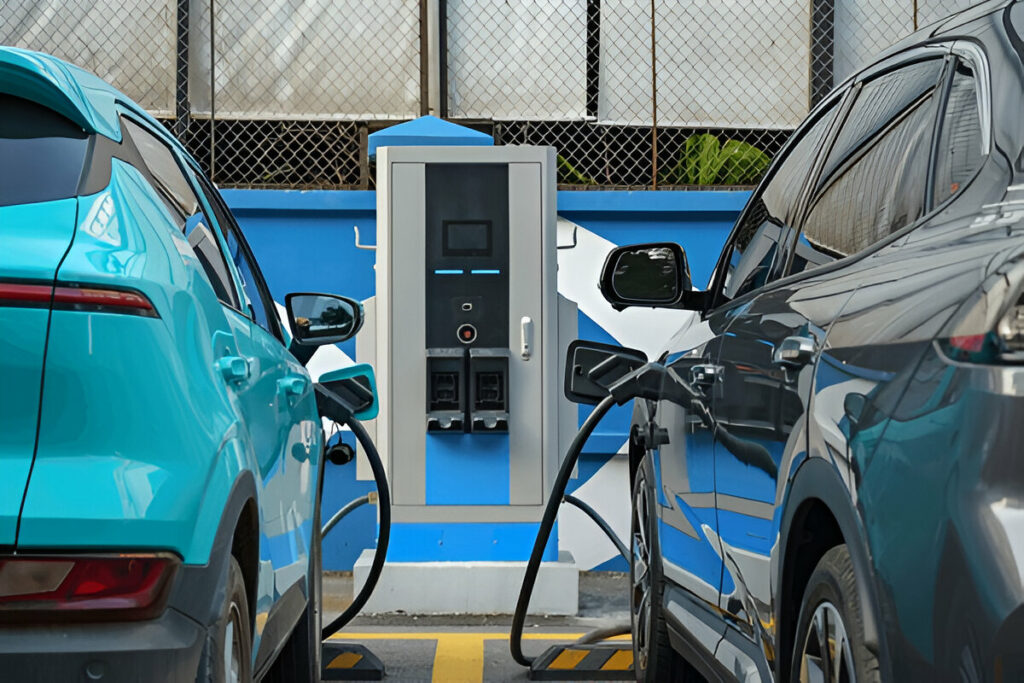
With the rise of electric vehicles (EVs), one of the most common questions new and potential EV owners ask is: What does it cost to charge an electric car at a charging station? While charging an EV is generally more affordable than filling up a gas tank, the cost varies depending on several factors, including location, charging speed, and network provider. In this guide, we’ll break down how much EV charging stations cost, factors that impact pricing, and how to save money on charging your electric car. Whether you’re considering switching to an EV or just want to understand the costs better, this article will cover everything you need to know. Factors That Affect the Cost of Charge an Electric Car at a Charging Station The cost to charge an electric car at a charging station isn’t the same everywhere—it depends on multiple factors, including: Now, let’s explore the different charging levels and their associated costs. How Much Do EV Charging Stations Cost? EV charging stations come in three levels, and each has a different price point based on speed and energy usage. Level 1 Charging (120V Standard Outlet) Level 2 Charging (240V Public & Home Chargers) Level 3 Charging (DC Fast Charging / Superchargers) How Much Does It Cost to Use a Charging Station? If you’re wondering how much it costs to use a charging station, the answer depends on whether you’re using a free, pay-per-use, or membership-based service. For example: Comparing EV Charging Costs to Gasoline Let’s see how the cost of charging an electric car at a station compares to traditional gas-powered cars. Gas-Powered Car (30 MPG, $3.50 per gallon) Electric Car (300-mile range, 75 kWh battery, $0.30 per kWh) Savings per charge: ~$12.50 If you charge at home with off-peak electricity rates or use free Level 2 chargers, the cost savings increase even more! Tips to Save on EV Charging Costs Want to lower your cost to charge an electric car at a charging station? Here are a few ways to cut down expenses: By following these strategies, you can save hundreds of dollars annually on EV charging costs. Future of EV Charging Costs: What to Expect? As more people switch to EVs, charging infrastructure is expanding rapidly. Here are some trends that could impact future costs of charging an electric car at a station: Conclusion So, how much does it cost to use a charging station? Here’s a quick breakdown: sangkarbet